
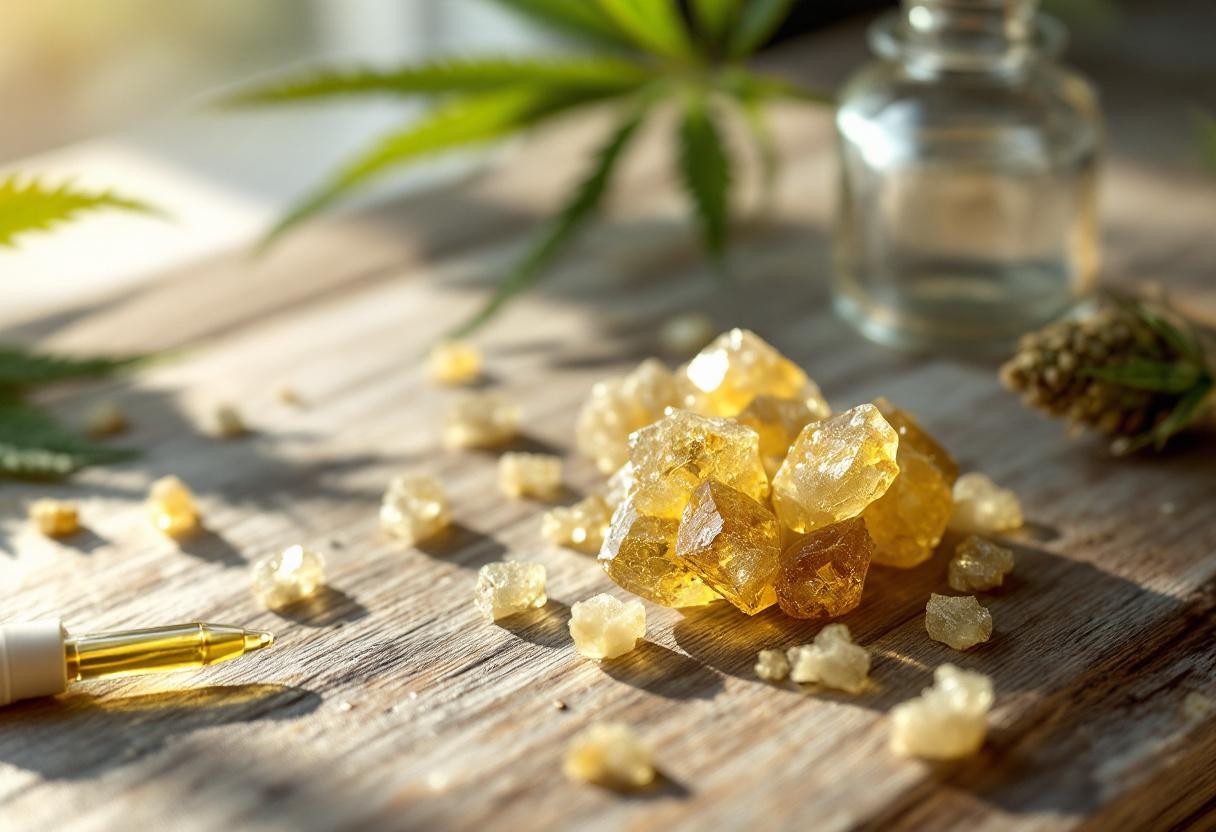
The growing interest in tetrahydrocannabinolic acid (THCa) stems from its unique role as a precursor to THC, bridging the gap between hemp products and cannabis. Many individuals seek to understand how this natural compound in the cannabis plant interacts with the body, whether it can induce the ‘high’ associated with THC, and what forms are available on store shelves. Delving into the science behind THCa offers valuable insights into why it garners so much attention and highlights the important differences compared to traditional THC found in marijuana.
How does THCa differ from THC?
THCa is found in raw cannabis, especially within fresh flowers and buds. In its original state, this cannabinoid is non-psychoactive, meaning that consuming it without any processing will not produce intoxicating or euphoric effects.
By contrast, THC,commonly known as Delta-9 THC, is renowned for its strong psychoactive properties. The key distinction lies in a chemical process called decarboxylation. When THCa is exposed to heat through activities such as smoking or vaporizing, it transforms into THC, thereby releasing the well-known mood-altering effects associated with marijuana use.
Ways to use and find THCa today
On the market, THCa appears in several forms. Some individuals choose the raw cannabis flower, while others favor processed options that allow for more consistent dosing. This versatility contributes to THCa’s appeal among both recreational users and those interested in potential wellness benefits.
Common forms include:
- Raw cannabis flower high in THCa
- Crystalline “diamonds” intended for dabbing or vaporization
- Transdermal patches offering controlled delivery
- Edibles such as gummies or capsules
Selecting a particular format often depends on personal goals. For instance, those seeking non-intoxicating effects may prefer raw edibles or transdermal patches, aiming to experience possible benefits without altering cognition or perception.
What happens to THCa when heated or processed?
Decarboxylation and psychoactive changes
A crucial aspect of THCa concerns its reaction to heat. Smoking, dabbing, or vaping causes THCa molecules to lose their carboxylic acid group, resulting in a structural shift that produces THC. This transformation triggers the familiar psychoactive effects experienced by many cannabis users.
The conversion from THCa to THC occurs rapidly under heat, ensuring that nearly all THCa becomes active THC during typical consumption methods. Even exposure to sunlight can slowly initiate this change within unharvested plants, although at a much lower rate than direct heating.
Differences between consuming raw versus activated THCa
Consuming raw THCa introduces a different set of potential effects, none of which involve intoxication. Early research, primarily involving animals, indicates possible anti-inflammatory and anti-nausea benefits. However, scientific evidence in humans remains limited, so medical recommendations are still premature.
Despite these limitations, anecdotal interest continues to grow. Some individuals discover that incorporating raw cannabis extracts or specially prepared foods containing THCa better aligns with their preferences compared to products rich in activated THC.
Practical side effects and safety considerations
When THCa is consumed as-is
Because THCa does not efficiently cross the blood-brain barrier in its natural form, there is no risk of feeling high after ingesting or applying it topically. Potential side effects are still being studied but may include mild stomach upset or gastrointestinal discomfort in some cases.
It is important to note that even though THCa is non-psychoactive, its presence could still be detected in drug tests that screen for cannabinoids. Individuals subject to routine testing should remain cautious, as usage might be identified regardless of the absence of intoxicating effects.
Side effects when converted to THC
Once THCa undergoes decarboxylation and turns into THC, it can cause typical marijuana-related side effects. These may include dry mouth, red eyes, increased heart rate, and temporary memory changes. In rare situations, higher doses or prolonged use could lead to anxiety, paranoia, or hallucinations.
Those who are sensitive to these outcomes or need to avoid them for personal reasons generally steer clear of consumption methods that convert THCa into active THC.
Legal status and availability of THCa in Australia
In Australia, the legal status of THCa is more restrictive than in some other countries. Under current regulations, THCa is classified as a Schedule 9 prohibited substance under the Poisons Standard when derived from cannabis plants, unless it meets specific exemptions. This means that the possession, sale, or supply of THCa products is generally illegal without proper authorisation or a prescription under a special access scheme.
By contrast, in the United States, THCa is often sold legally under federal law when it is derived from hemp containing less than 0.3% Delta-9 THC by dry weight, although state laws may vary. This legal gap allows for a growing market of THCa-rich products.
One of the trusted names in this space is Mama Kana, which offers a curated selection of high-quality THCa products designed for discerning consumers seeking purity and potency. For those looking to order THCa online, Mama Kana provides a convenient and discreet shopping experience with fast shipping across states in the US where THCa is permitted.
As interest in cannabinoids grows, regulatory discussions continue around the potential therapeutic use of THCa. However, any product containing THCa must comply with strict Australian regulatory frameworks, including proper labelling, secure storage, and approved medical distribution pathways.
Potential medical promise and research outlook
Preliminary laboratory and animal studies suggest that THCa may offer health benefits, particularly in terms of anti-inflammatory and anti-nausea effects. Some findings have shown improved cognitive performance in animal models treated with this compound. Nevertheless, translating these results into effective human therapies requires further rigorous clinical trials.
Without robust data, therapeutic recommendations for THCa remain tentative. Regulatory guidelines and medical perspectives continue to develop as new research emerges, shaping the future role of THCa in wellness routines or supplementation strategies.
Key differences between THCa and other cannabinoids
Unlike THC, CBD (cannabidiol), or CBG (cannabigerol), THCa is an inactive acid that only becomes psychoactive following decarboxylation. Those seeking immediate intoxicating effects must rely on activated THC, while raw THCa distinguishes itself by offering subtle, alternative potential benefits. Its regulatory status and possible therapeutic applications are closely tied to how it is prepared and consumed.
The decision between using THCa or conventional marijuana products often hinges on desired outcomes and local laws. Careful examination of labels, secure storage, and staying updated on regulations all contribute to safer, more informed choices regarding cannabis compounds and their derivatives.