
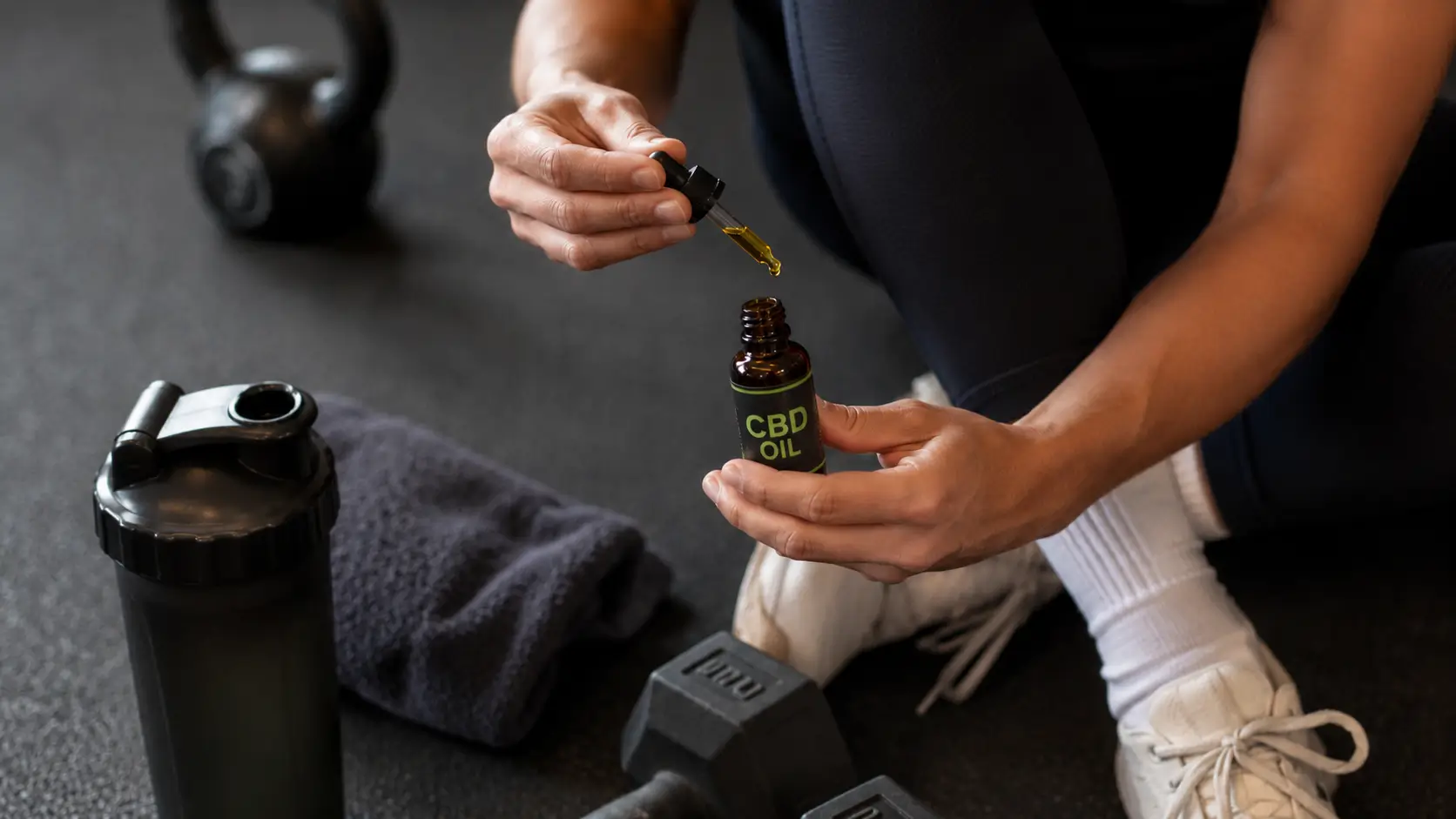
Whether you’re training for a marathon or simply enjoying an active lifestyle, recovery is just as important as the workout itself. In recent years, CBD oil has become a popular addition to many athletes’ recovery routines, with claims that it may help ease soreness, improve sleep, and support overall recovery. But what does the research actually say? Here’s a closer look at how CBD oil might fit into a post-workout routine.
Why athletes are turning to CBD oil
Intense training places stress on muscles, joints, and connective tissues, triggering inflammation. While some inflammation is a normal and necessary part of recovery, when it becomes excessive, it may contribute to soreness and discomfort.
This is where CBD, or cannabidiol, has attracted attention. It interacts with the body’s endocannabinoid system, a network that regulates multiple bodily functions:
- Pain perception
- Inflammation
- Mood
- Sleep
- Overall balance
Researchers believe these interactions may explain why some athletes report feeling better after using CBD, although much of the current evidence remains preliminary. A recent review concluded that CBD shows potential properties, such as:
- Anti-inflammatory
- Analgesic
- Anxiolytic
- Sleep-supporting
Still, researchers emphasize that more high-quality clinical studies involving athletes are needed.
Different ways to use CBD oil for recovery
There isn’t a single “best” way to take CBD oil. The right approach often depends on personal preferences, training goals, and the type of recovery support someone is looking for.
One of the most common methods is sublingual administration. Placing a few CBD drops under the tongue and waiting for about a minute before swallowing allows the compound to be absorbed before entering the bloodstream. Many people choose this method because it works relatively quickly and allows for easy dose adjustments.
Others prefer oral consumption, using CBD capsules or adding CBD oil to food or drinks. Although absorption takes longer because the CBD passes through the digestive system first, this method fits naturally into a daily wellness routine.
Some athletes also use topical products, including CBD creams, balms, and gels. These products are applied directly to tired muscles or sore joints after exercise. Research on topical CBD for sports recovery is still limited, but early findings suggest it may help relieve localized discomfort in some situations. The available evidence, however, is far from definitive.
Regardless of the method chosen, consistency and product quality often matter more than trying the highest possible dose.
Could CBD help reduce soreness after exercise?
Muscle soreness after a demanding workout is completely normal. Tiny amounts of muscle damage occur during exercise, allowing muscles to rebuild stronger during recovery. Because CBD has demonstrated anti-inflammatory and pain-modulating properties in laboratory and early clinical studies, researchers are investigating whether it could make this process more comfortable.
Several studies suggest CBD may influence inflammatory pathways by interacting with cannabinoid receptors and other systems involved in immune responses. Some researchers have also observed reductions in markers associated with muscle damage following CBD supplementation, although results remain inconsistent across studies.
At the same time, scientists urge caution. Reducing inflammation isn’t always beneficial. Inflammation is part of the body’s repair process, and suppressing it too aggressively could theoretically interfere with long-term training adaptations. Similar questions have already been raised regarding routine use of ice baths immediately after strength training.
For now, the evidence suggests that CBD may help some individuals feel more comfortable after exercise, but it should not be viewed as a replacement for proven recovery strategies such as proper nutrition, hydration, progressive training, and adequate rest.
Can CBD improve sleep after training?
Ask any coach, physiotherapist, or experienced athlete about recovery, and they’ll probably mention sleep before anything else. During sleep, the body repairs muscle tissue, regulates hormones, and restores energy levels, making quality rest one of the most effective recovery tools available.
Interestingly, sleep is also one of the areas where CBD has received the most scientific attention. Researchers believe CBD may influence the endocannabinoid system in ways that promote relaxation and support healthy sleep patterns. Some studies report improvements in sleep quality, reduced insomnia symptoms, and fewer nighttime awakenings when participants took CBD for sleep, although responses can vary considerably between individuals.
This could be particularly helpful after demanding training sessions or competitions, when muscle soreness, stress, or pre-race nerves make it difficult to switch off. Better sleep doesn’t necessarily mean better performance overnight, but consistently getting enough restorative sleep gives the body the opportunity to recover more effectively.
It’s worth remembering, however, that CBD isn’t a substitute for healthy sleep habits. Maintaining a consistent bedtime, limiting screen time before bed, and allowing enough time for recovery remain the foundation of good sleep hygiene.
Choosing the right dosage and product
One of the biggest challenges with CBD is that there isn’t a universally recommended dose for sports recovery. Studies have used a wide range of amounts, making it difficult to compare results or provide one-size-fits-all guidance. Researchers continue to emphasize that more standardized clinical trials are needed before clear recommendations can be made.
Because of this uncertainty, many healthcare professionals recommend starting slowly at a low dose and increasing it gradually if needed. This allows individuals to monitor how their body responds without taking more than necessary.
Product quality is equally important. CBD supplements are not regulated in the same way as prescription medicines, meaning product quality can vary significantly. Choosing products that provide independent third-party laboratory testing can help verify the amount of CBD they contain and confirm that they are free from unwanted contaminants.
Athletes who compete under anti-doping regulations should be especially careful. Although the World Anti-Doping Agency (WADA) removed pure cannabidiol from its list of prohibited substances, THC remains banned during competition. Some types of CBD products may contain trace amounts of THC, even in cases where labels suggest otherwise.
Using CBD safely as part of your recovery routine
If you’re thinking about adding CBD oil to your recovery plan, it helps to keep realistic expectations. Current research suggests it may support certain aspects of recovery, but it shouldn’t replace proven recovery strategies or medical treatment for injuries.
A few simple habits can help you get the most out of any recovery routine:
- Start with a low dose: Give your body time to respond before increasing the amount.
- Choose reputable products: Look for third-party lab testing and clear ingredient information.
- Prioritize the basics: Sleep, nutrition, hydration, and progressive training remain the most effective recovery tools.
- Talk to a healthcare professional: Very important if you take medication or have a medical condition.
- Be patient: CBD may affect people differently, and benefits, if they occur, are often gradual rather than immediate.
A balanced approach to sports recovery
Early research suggests CBD may help support pain management, inflammation, stress, and sleep, all of which play important roles in recovery. At the same time, scientists agree that the current evidence is still developing, particularly regarding athletic performance and long-term use.
For now, CBD is best viewed as a possible complement to a well-rounded recovery routine rather than a miracle solution. When combined with proper nutrition, adequate sleep, sensible training, and professional medical advice as needed, it may offer additional support for some active individuals.