
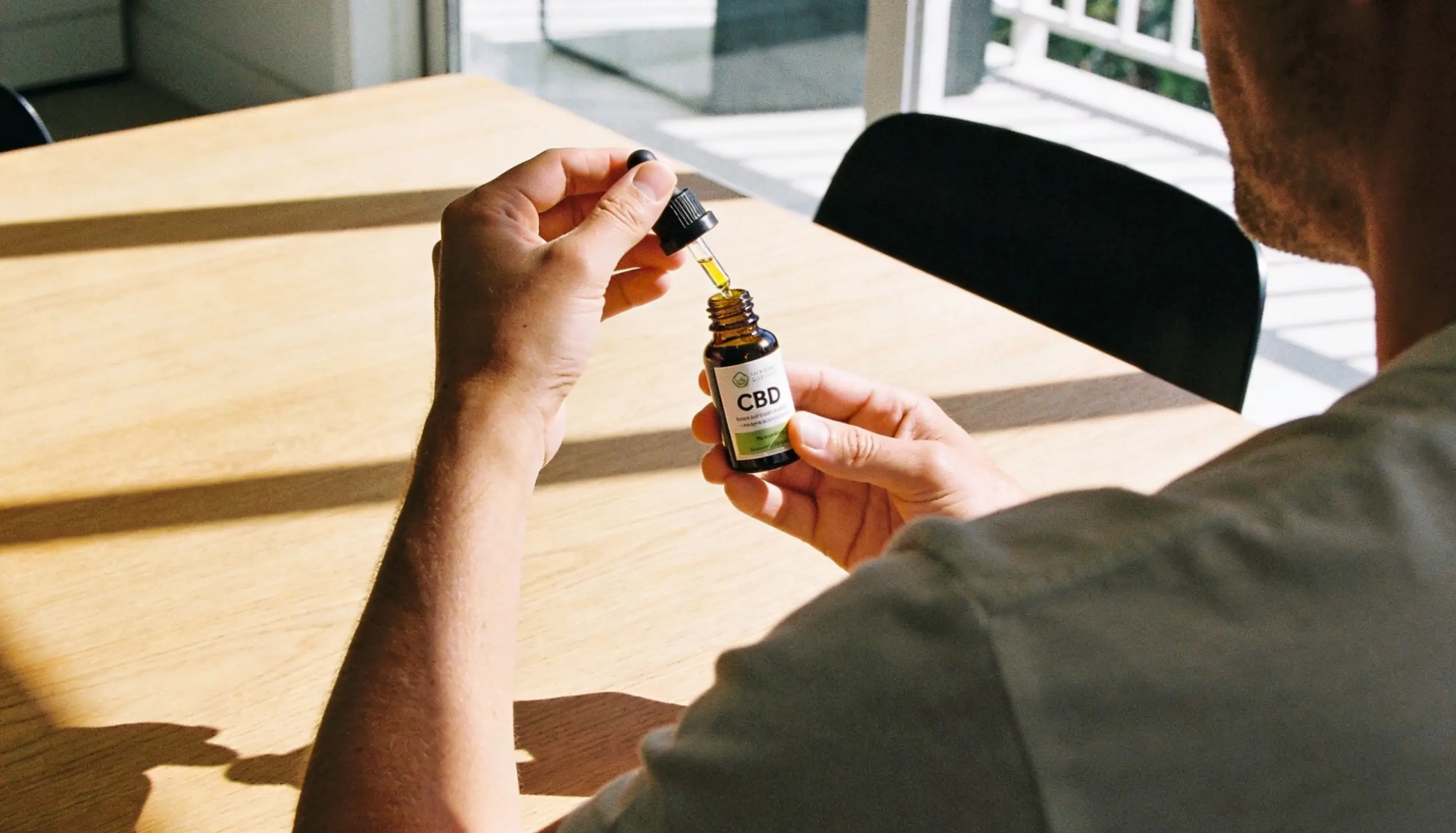
CBD products have become increasingly visible in Australia, from oils and capsules to skincare and drinks. Many people are curious about whether CBD works like a traditional medication or if it’s something entirely different.
The short answer is that CBD can act like a medication in certain situations. Still, it doesn’t behave like most prescription drugs.
To understand this properly, it helps to look at how CBD works in the body, what the science currently supports, and how it’s regulated in Australia.
What Is CBD and How Does It Work?
Cannabidiol, commonly known as CBD, is a natural compound found in cannabis plants. Unlike THC, it doesn’t produce a “high” or intoxicating effect. This makes it appealing for people who want potential therapeutic effects without changes in perception or mood.
CBD interacts with the body’s endocannabinoid system, which plays a role in regulating functions like sleep, mood, pain, and immune response. Instead of directly activating receptors strongly, CBD tends to influence the system as a whole.
For example, CBD may increase anandamide levels, a natural compound linked to mood and pain regulation. It also interacts with other pathways, including serotonin receptors, which are involved in anxiety and stress responses. This broader, indirect action is one reason CBD doesn’t behave like a typical single-target medication. If you want to explore the science behind this system, the World Health Organization provides a helpful overview.
Is CBD Considered a Medication?
CBD can be considered a medication in specific cases, but only when it meets strict medical and regulatory standards.
The clearest example is Epidiolex, a prescription CBD oil approved to treat certain types of severe epilepsy. Clinical trials have shown that it can significantly reduce seizure frequency in some patients.
However, outside of this specific use, most CBD products are not classified as medicines. In Australia, CBD is regulated by the Therapeutic Goods Administration. Low-dose CBD products have been down-scheduled to allow potential over-the-counter access, but as of now, very few products meet the required standards for pharmacy sale without a prescription.
This means that while CBD has medical potential, most products available today are not approved as medications in the same way as standard pharmaceutical drugs.
Does CBD Work Like Traditional Medication?
Traditional medications are usually designed to target a specific receptor or biological pathway. For example, a painkiller might block a certain enzyme, or an antidepressant might increase levels of a specific neurotransmitter.
CBD works more broadly and indirectly. Instead of targeting a single pathway, it interacts with multiple systems simultaneously, including the endocannabinoid system, serotonin receptors linked to mood, and immune system inflammatory pathways.
In practice, this means:
- You may not feel a strong or instant effect
- Results can vary from person to person
- Benefits may depend on consistent use over time
This difference is one reason CBD is sometimes compared more to a wellness supplement than a typical medication, even though it can have therapeutic effects.
What Does the Research Say About CBD’s Effectiveness?
Research into CBD is expanding quickly, but the evidence is still developing for most uses.
There is strong clinical evidence supporting CBD’s use in certain epilepsy conditions, which is why Epidiolex was approved. Beyond that, the findings are more mixed.
Some areas where CBD shows potential include:
- Anxiety, where some studies suggest reduced stress in controlled situations
- Sleep, where early research shows possible improvements but inconsistent results
- Pain and inflammation, where findings vary depending on the condition and dosage
According to the National Institutes of Health, more large-scale clinical trials are needed before firm conclusions can be made. This means that while CBD may help some people, it shouldn’t be seen as a proven treatment for most conditions at this stage.
Is CBD Safe to Use?
CBD is generally considered well-tolerated, especially when used at appropriate doses. However, that doesn’t mean it’s completely risk-free.
Some commonly reported side effects include:
- Dry mouth
- Fatigue or drowsiness
- Changes in appetite
- Digestive issues such as diarrhoea
CBD can also interact with other medications, including blood thinners and certain antidepressants. This happens because CBD affects liver enzymes that process many drugs.
For this reason, it’s important to speak with a healthcare professional before using CBD, especially if you’re already taking prescription medication.
Why Product Quality Matters
One of the biggest challenges with CBD is product quality, particularly outside regulated medical use.
Studies have found that many CBD products sold online don’t match their labels. Some contain less CBD than advertised, while others include unexpected levels of THC. Inaccurate labelling can reduce effectiveness, THC contamination may cause unwanted effects, and unregulated products may contain impurities.
To reduce risk, look for products that provide a certificate of analysis from an independent laboratory. This document confirms the product’s contents and helps ensure safety and consistency.
How to Approach CBD Use Responsibly
For many Australians, CBD sits somewhere between a medication and a wellness product. It may support general well-being by helping with:
- Stress management
- Sleep quality
- Mild discomfort
However, it’s not a replacement for evidence-based medical treatments, especially for serious conditions. Doctors often recommend using CBD as part of a broader plan rather than as a standalone solution.
If you’re considering CBD, it’s worth thinking about your goals and expectations before starting. You should also treat CBD with the same level of care as a medication, even if it isn’t always regulated as one.
That means paying attention to dosage, monitoring how your body responds, checking for interactions with other treatments, and choosing reliable products.
Most importantly, it means involving your doctor in the decision, so CBD fits safely into your overall health plan.